Joint pain is one of the most common health problems faced by people of all ages today. Whether it’s due to aging, arthritis, or a sedentary lifestyle, the discomfort can seriously affect your daily activities. When it comes to managing joint pain, two major treatment options come to mind — Ayurveda and modern pills. But which one truly offers long-lasting relief? Let’s explore both approaches in detail.
Joint pain can arise from inflammation, stiffness, injury, or degeneration of cartilage. The main goals of any treatment are to:
Reduce inflammation
Relieve pain
Restore mobility
Prevent further joint damage
Both Ayurveda and modern medicine aim for these goals but follow completely different methods.
Ayurveda focuses on treating the root cause of pain rather than just suppressing symptoms. According to Ayurvedic philosophy, joint pain is often caused by an imbalance in the Vata dosha, leading to the accumulation of toxins (Ama) in the joints.
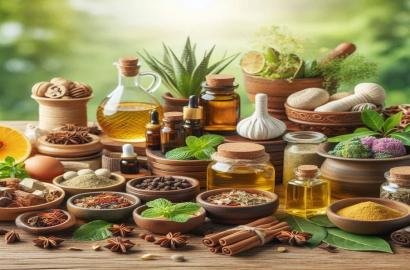
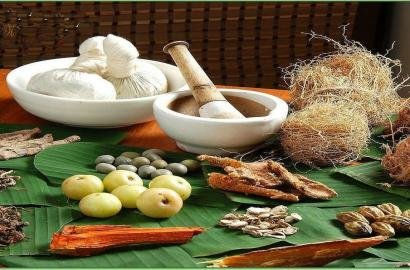
Herbal Remedies: Formulations containing Ashwagandha, Shallaki (Boswellia), Guggul, Turmeric, and Nirgundi help reduce inflammation and improve joint flexibility.
Panchakarma Therapy: Detoxification treatments like Abhyanga (oil massage) and Basti (medicated enema) help remove toxins from the body.
Diet & Lifestyle: Warm foods, regular exercise, yoga, and avoiding cold or processed foods are emphasized.
Treats the root cause of pain
Improves overall joint health naturally
Minimal side effects
Enhances body balance and immunity
Modern medicine provides quick relief through nonsteroidal anti-inflammatory drugs (NSAIDs), painkillers, and supplements like glucosamine and chondroitin.
NSAIDs: Ibuprofen, Naproxen
Painkillers: Paracetamol or stronger opioids in severe cases
Supplements: Glucosamine, Omega-3, Calcium, Vitamin D
Fast pain relief
Easy to use
Effective for acute pain and inflammation
However, long-term use of these medications can lead to side effects such as stomach ulcers, kidney issues, and dependency.
| Aspect | Ayurveda | Modern Pills |
|---|---|---|
| Focus | Root cause of joint pain | Symptom relief |
| Speed of Action | Slow but long-lasting | Fast but temporary |
| Side Effects | Minimal (if prescribed properly) | Possible (especially with long-term use) |
| Approach | Natural herbs & detox therapies | Chemical-based drugs |
| Sustainability | Improves overall joint health | May require continuous medication |
The best choice depends on your condition and goals.
If you need instant relief from acute pain, modern medicine can help.
If you want a natural, long-term solution, Ayurveda offers holistic healing.
For many people, a combined approach — using modern medicine for short-term relief and Ayurveda for long-term recovery — gives the best results.
Joint pain doesn’t have to control your life. Ayurveda helps your body heal naturally from within, while modern pills provide immediate comfort. The key is to balance both approaches under professional guidance.
If you’re struggling with chronic joint pain, consult an Ayurvedic expert to discover how herbal solutions and lifestyle changes can bring lasting relief — naturally and safely.